01 — Overview
The blind spot in every budget app
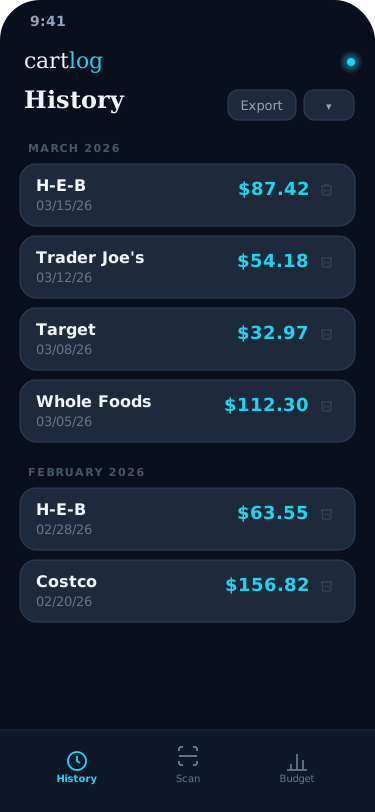
Mint, Rocket Money, YNAB — they all see groceries as a single transaction. You spent $88 at HEB, but on what? Chicken? Soda? Paper towels? That granularity disappears, making it impossible to actually change behavior.
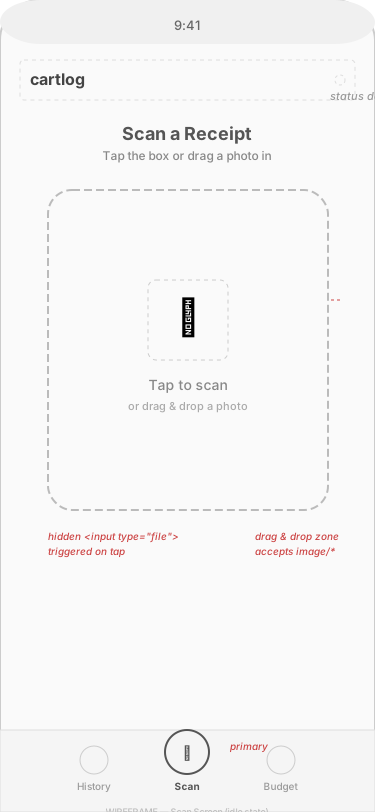
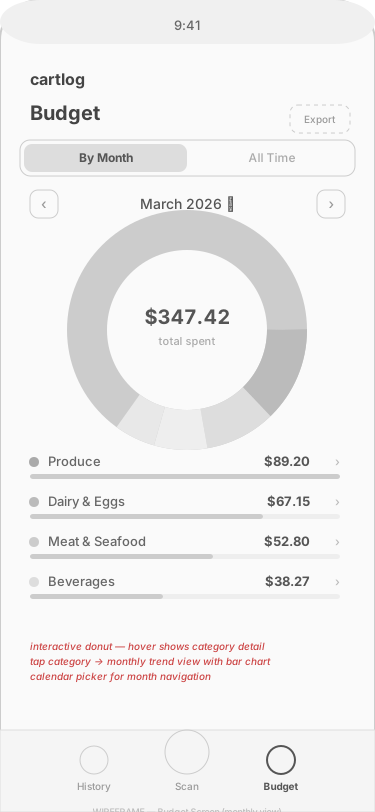
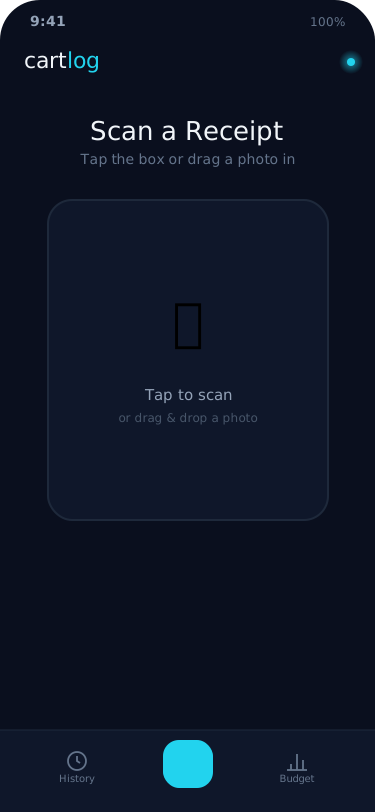
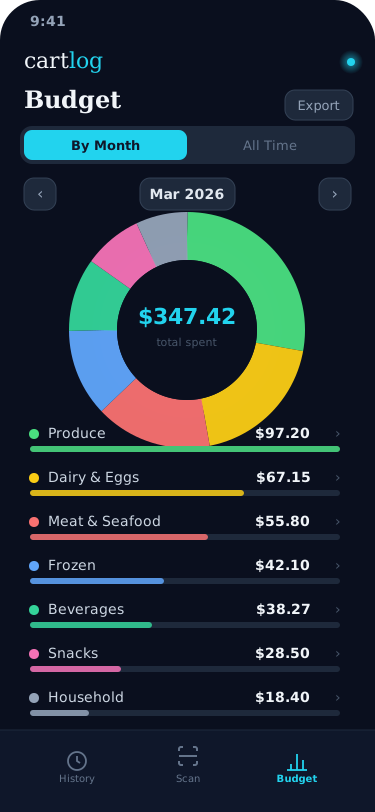
CartLog reads the receipt itself. Every line item is extracted by AI, categorized, and stored — so your budget knows the difference between a necessity and an impulse buy.
The Gap
Existing apps track totals, not items
Every competitor aggregates by merchant. You see "$312 at HEB this month" with no insight into what drove that number or where to cut.
The Fix
A photo is all it takes
Claude Vision reads the receipt, infers categories with high accuracy, and populates a real budget breakdown — no manual entry, no bank connection required.
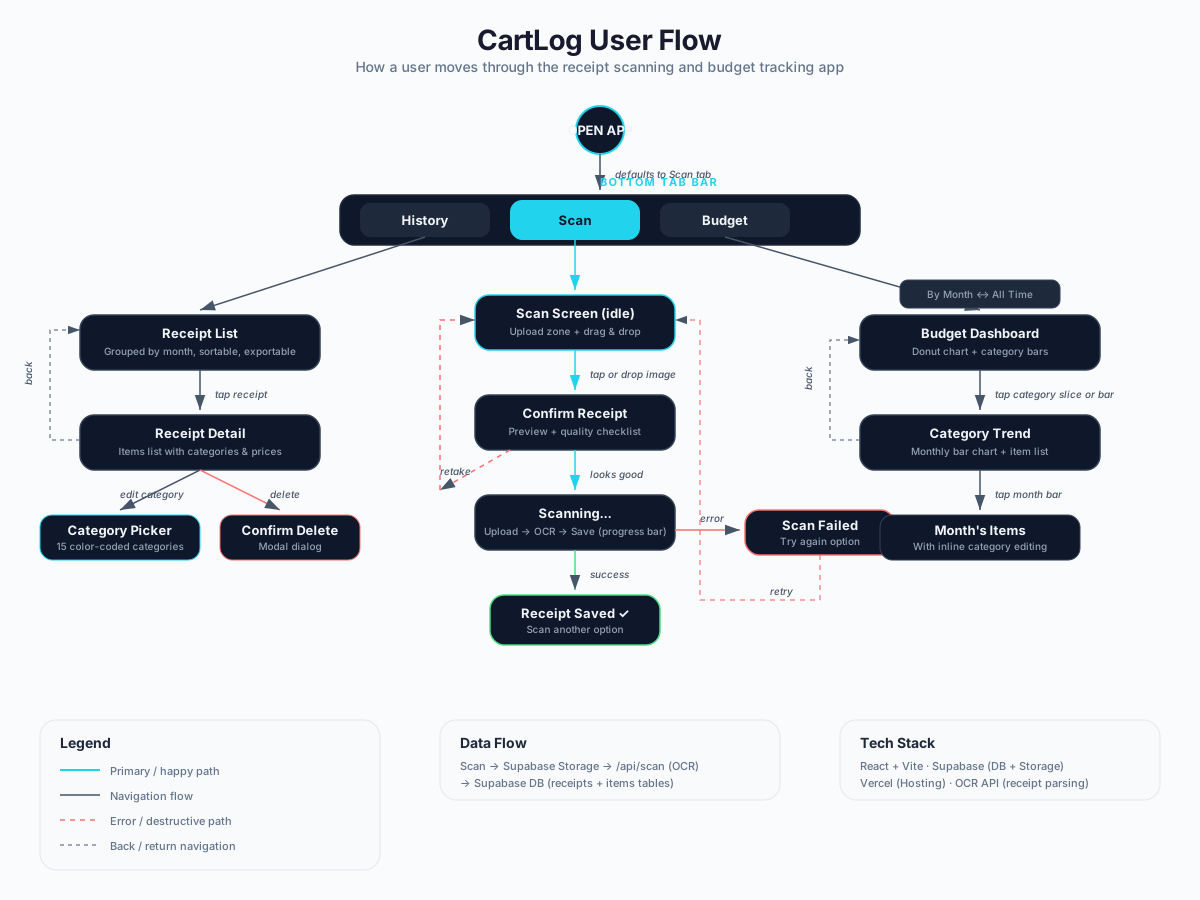
User Flow — Photo to Budget Insight